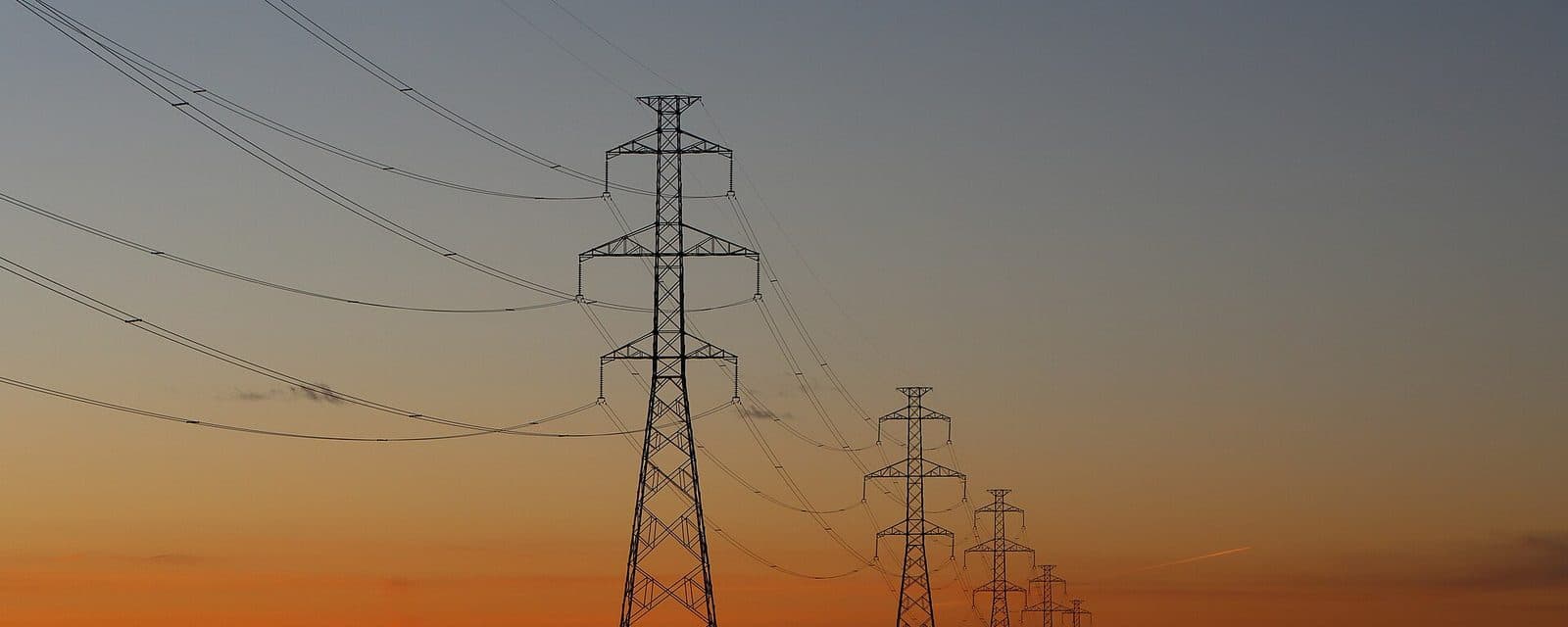
Trump ban on foreign grid components sparks industry concern over cost, practicality
AI summary
The Trump administration has imposed a ban on foreign-made grid components, prompting industry concern. Stakeholders support the goal of securing the grid but argue that restrictions based on geography rather than function and capability miss the point. They warn the approach could raise costs, prove impractical, and threaten investment.
Headline and excerpt are shown for attribution. Full text remains with the publisher.
Request a consultation
Talk to an energy specialist
News, not investment, regulatory, or safety advice. Verify decisions with a licensed professional.
Ask one question
Ask a specialist one question
No call, no form interview. Send the question you would ask a colleague, and a vetted specialist in this field answers in writing.
Related coverage
When Commercial Demand Takes the Lead: Rethinking Grid Planning for a New Load Era
For decades, utilities planned grids around a predictable link between population, economic activity, weather, and consumption, with demand rising gradually and investments following long-term forecasts. Commercial demand is now taking the lead, disrupting that pattern and putting new pressure on planning assumptions. The shift matters because conventional forecasting and infrastructure timelines may no longer match how load is actually developing, making a rethink of grid planning necessary.
Eversource’s financial risk eases as Revolution Wind hits full commercial operations: CEO
Eversource reported third-quarter income of $346 million, down 22% from a year earlier, partly because it no longer receives income from Aquarion after selling the water utility in June. The CEO said the company’s financial risk is easing now that Revolution Wind has reached full commercial operations. For professional readers, the update signals reduced exposure tied to the offshore wind project even as earnings declined.
DTE expands investment plan 30%, will sell unregulated subsidiary to fund growth
DTE is expanding its investment plan by 30% and will sell its unregulated subsidiary, DTE Vantage, for $3 billion to help fund that growth. CEO Joi Harris told analysts the sale makes DTE a simpler, higher-growth premium utility. The company also expects a state legislative push for multi-year rate making, a regulatory shift that could affect how it plans and recovers utility investments.
The process
How this works
- 1
Send the form
Name, email, and what you need. One request, one channel.
- 2
We route it
A vetted independent partner for this channel receives it. No one else does.
- 3
You get a reply
Within one business day, at no cost and with no obligation.
One partner per channel. Your details are never sold, and no partner sees another partner's requests.
The weekly brief
Get the weekly brief
One email a week with the stories that moved this field, plus what to watch next.
- One email a week, with the Monday refresh.
- Stories first — at most one labelled note, usually our own.
Fields marked * are required.